
N is for... Noticing
An underrated skill
Short one this week. Your inboxes are probably full of end of year stress. I hope this one is a light relief.
I used to think that my ability to be good at my job was about what I knew and what I could do.
Now I think it is about my ability to notice things…
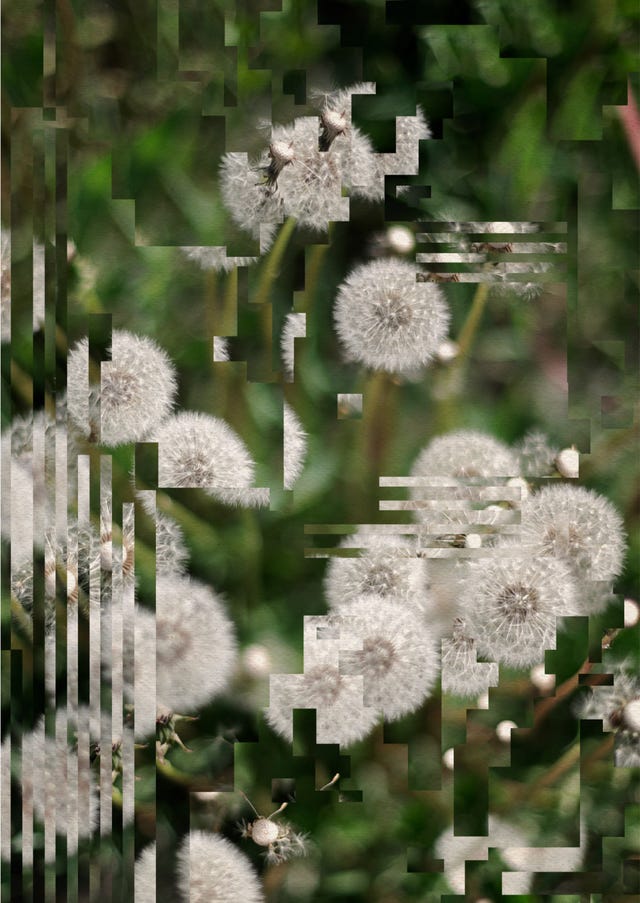
…And name them.
And work out whether other people notice the same things.
And whether they interpreted the things we noticed the same way.
And as we collaborate, build our ability to notice and name more things.
And develop a shared language…
….which makes it easier for others to notice and name things without starting from scratch each time.
I’ve come to think of it as the foundational skill for most work, not just facilitation.
If you don’t notice something, you can’t act on it.
There are many things that cloud our ability to notice in a noisy world.
The ability to notice through noise externally in our environments or internally in our heads, is a true superpower.
Because where we put our attention is where the energy goes.
Some fun resources to build noticing skills
I love the check-in question: “What has your attention?” (HT to Future of Work Consultancy The Ready for this)
Rob Walker’s Substack “The Art of Noticing” helps people “pay attention to what [they] care about, and care about what [they] pay attention to. It’s for people who want to stay interested in life.” It’s Delightful. Also the list of check-in questions curated together with readers is wonderful and ever expanding.
“What else?” - the powerful coaching question from the Coaching Habit by Michael Bungay Stanier which asked repeatedly reveals layers and layers of insight we might otherwise miss.
The Mindset Shift:
We pour energy into teaching people what to do. Yet the ability to notice is what shapes what gets done. Maybe that’s the skill worth investing in?
“A first-class noticer is someone with a good eye, especially for human behavior. First-class noticers are intensely attentive: they recognize talent and see opportunities that others miss.” (The Power of Noticing p. 181). — Max H. Bazerman
p.s. Learning to notice things about myself, and increasing my awareness of my triggers, values, and resulting behaviours, was a pivotal ‘Aha’ moment for me as a facilitator. That’s why these aspects are front and centre in the Facilitation Self-Assessment.
p.p.s Over on my other Substack: Small. Scrappy. Sustainable. I’m sharing what I’ve learned about the business side of being a facilitator. If you like the Facilitation Mindset posts and also run a small business, it might be for you :) Start here.
